Film lamination applies a film and adhesive (usually PV, polypropylene, cast or polyester films) to a printed substrate. Today, most film laminators use pressure-sensitive rollers, sometimes with a little heat to improve activation of the adhesive at the point of pressure. For this process to work, you will usually need a good-quality film laminator that applies even, consistent pressure to bond the adhesive film to the substrate being laminated. Lamination protects the printed substrate against premature degradation from abrasion, handling, rolling, installation and, finally, exposure to the environment where it is installed.
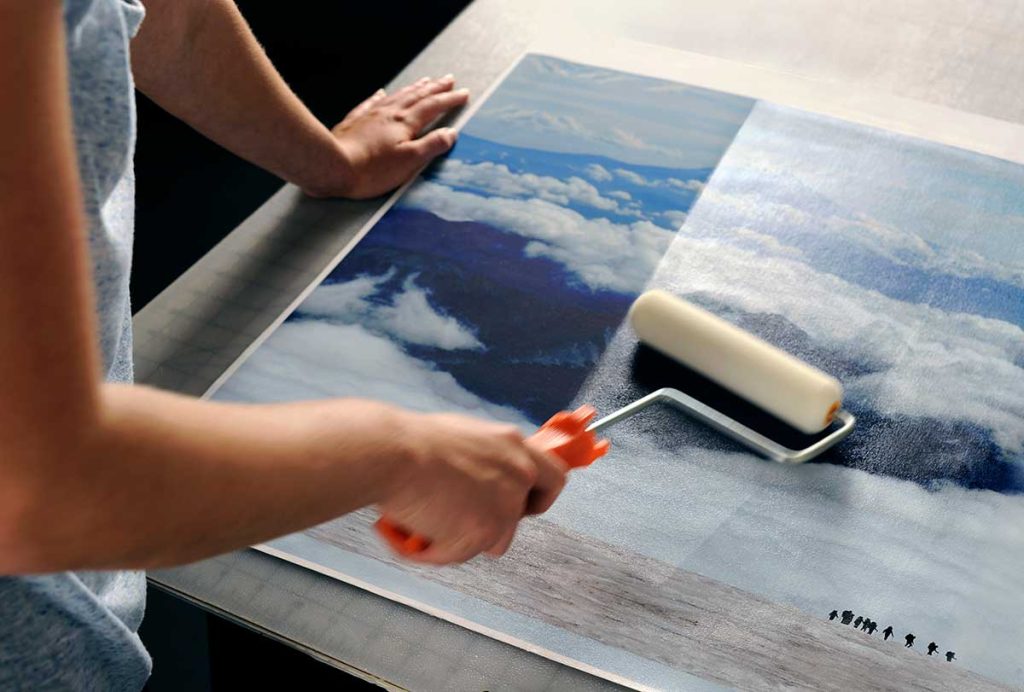
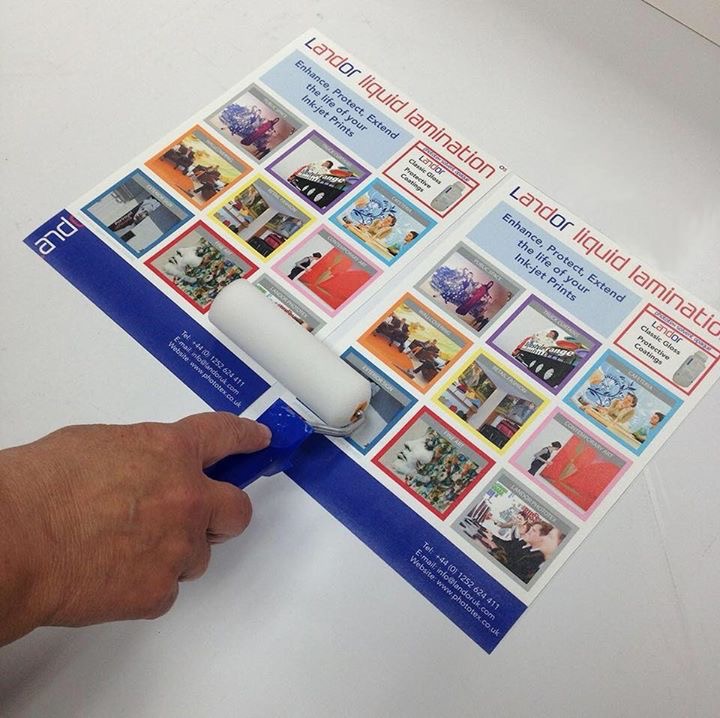
Roller Coating by Hand
Spray Coating
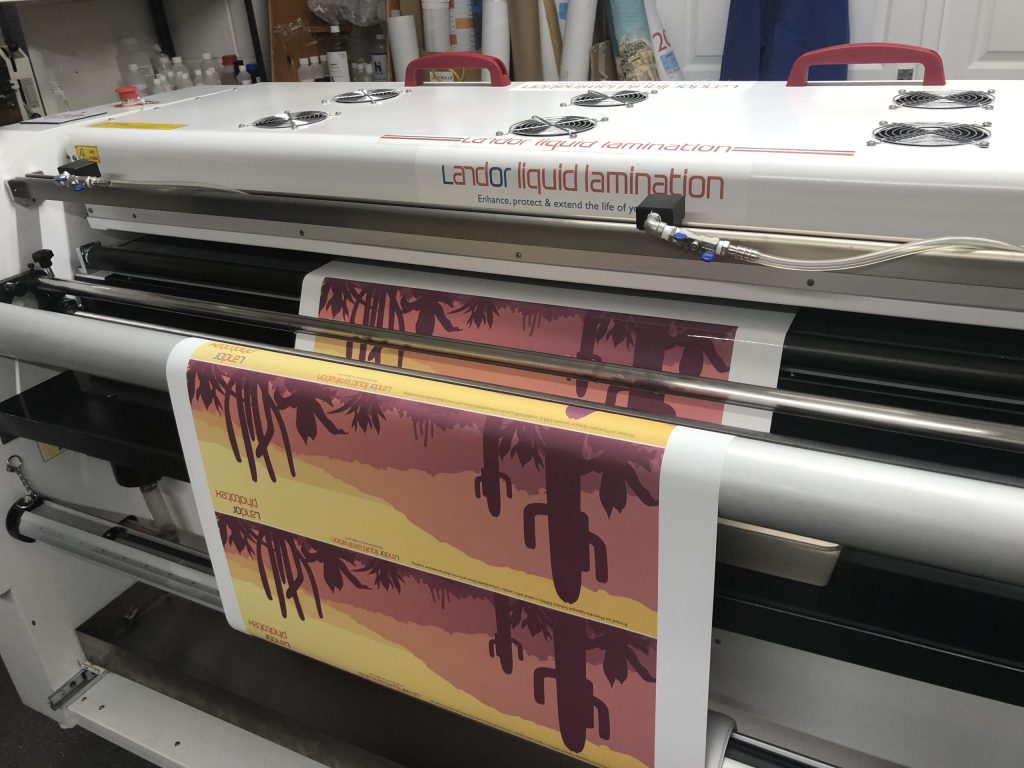
Water based Roll to Roll Coater
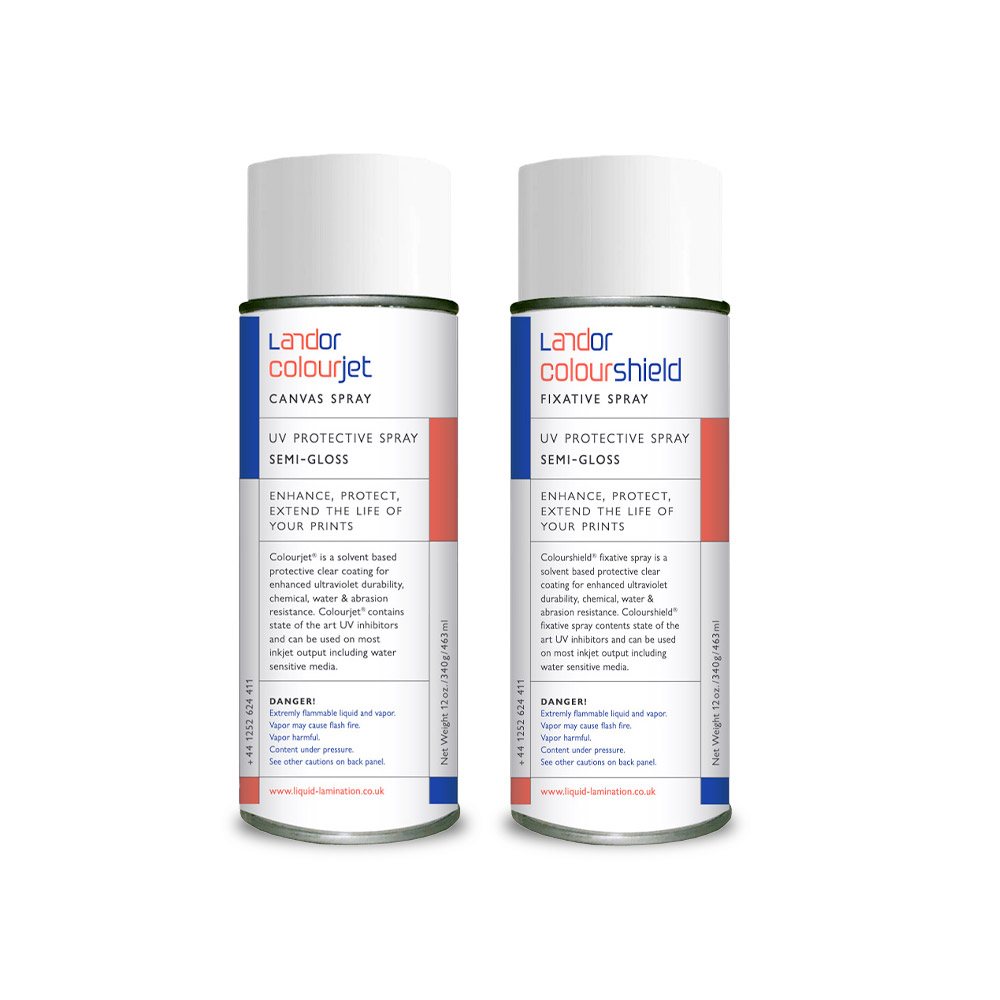
Aerosol spray Coating
Despite the common belief that ink and media do not need protection, in the long term film and media will only last longer if protected with a laminate. Film lamination is often used to add rigidity to a print to ease handling, protection and installation, and sometimes to enhance the printed image, its colour and its visual effect. Its main pitfall is that the quality of the adhesive bond over the life of the print depends on the operator’s skill and the pressure applied. Some films add UV protection against premature ink fade, as well as resistance to scratches, water, chemicals, handling, touch and cleaning. Over time, however, this protection can fail for a number of reasons, such as shrinkage or expansion of the substrate, causing delamination or air pockets and bubbles where the film has not adhered as well as expected.
Liquid lamination provides a different, and in some areas more advanced, form of protection where film lamination simply will not work. It cannot add rigidity, but it does have other benefits. First and foremost, you do not need a professional laminator to apply a protective laminate: liquid laminates can easily be applied with a hand roller, brush, paint pad or spray equipment. You can also apply liquid laminates after the graphic has been installed, in almost any flat, clean, dry environment. As well as offering a very flexible, adaptable protective coating for almost any substrate – including textured substrates, where film lamination is not very effective and usually fails – liquid laminates bond naturally and permanently. It is rare for a tested liquid laminate ever to delaminate.
The only prerequisite is that the liquid laminate has been tested for initial adhesion; thereafter it will not fail. Because liquid laminates are highly flexible, they adapt and move with any change in the stability of the substrate. They also protect against water, abrasion and UV fade, and will usually protect a graphic print twice as long as an unprotected graphic in the same environment. Common applications where liquid laminates work and film lamination does not include PVC banners, fabrics and textiles.
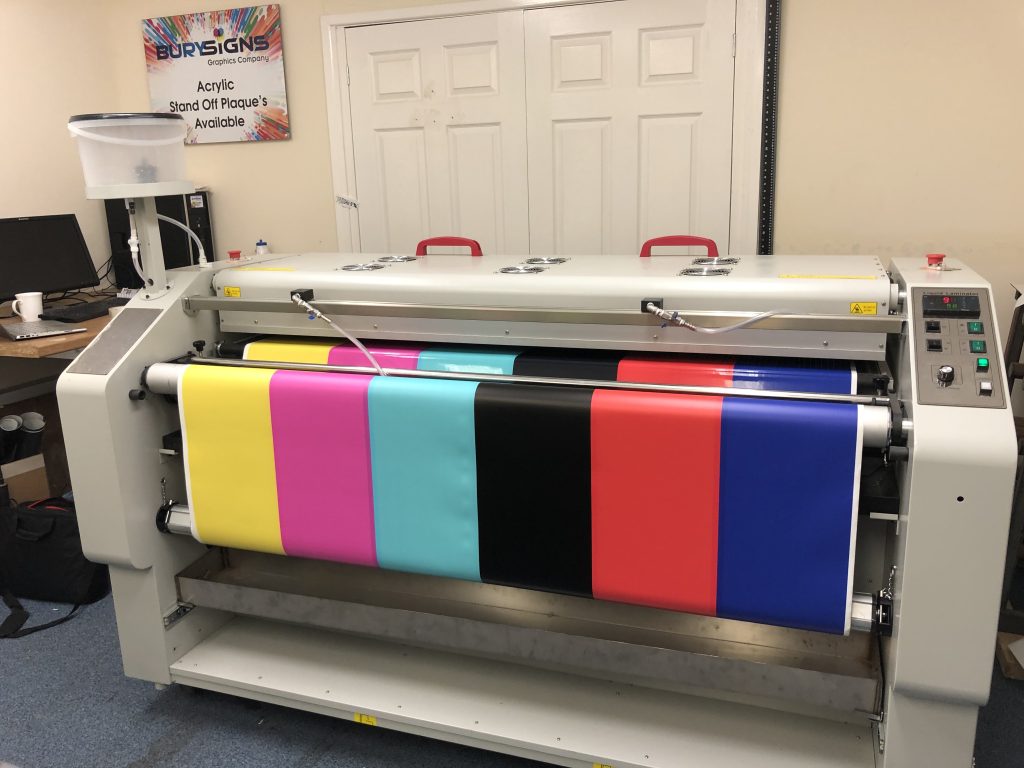
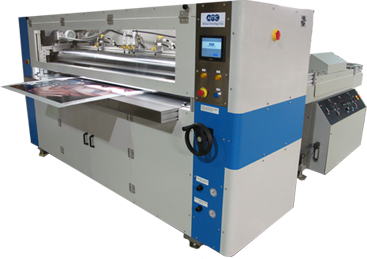
Landor Liquid Lamination Coater 1.6
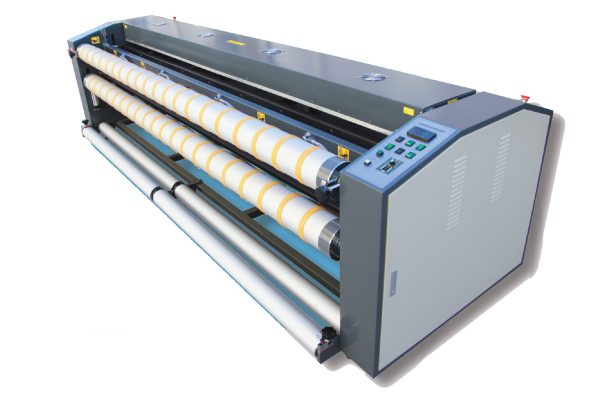
3.3m Water Based Liquid Lamination Coater
The value and benefits of liquid laminates at a glance:
Liquid lamination generally offers greater flexibility and protection when coating flexible substrates, i.e. canvas and PVC banner
No other suitable form of protection is possible with PVC banner that also maintains long-term stability of the bond and adhesion of graphics
Generally easy to apply without capital equipment, using a hand roller, brush, pad or spray equipment
Liquid lamination can be applied to substrates that are already installed on a surface, or on a flat surface
Once applied, tested and verified, liquid lamination will almost never delaminate
Liquid laminates will not cause bubbles and will remain dependable throughout, and beyond, the life of the graphic print
Water-based liquid laminates provide added protection for inks and substrates against UV light
Liquid laminates are flexible and adjust to less stable substrates
As a water-based or UV-curable chemistry, liquid lamination is environmentally friendly and usually not flammable
Some PVC and PP laminates will not accept certain high temperatures, whereas liquid lamination remains stable in hot and cold temperatures
We believe it is important to remain impartial, so we have summarised the good reasons to use liquid lamination instead of film lamination – and also the reasons why film lamination is still the right choice in some cases.
Lorem ipsum dolor sit amet, consectetur adipiscing elit. Ut elit tellus, luctus nec ullamcorper mattis, pulvinar dapibus leo.
For more information, advice or support with protecting your graphics, extending their life, or testing and training for liquid or film lamination, please contact us on +44 1252 624411, email info@landoruk.com, or visit our website www.liquid-lamination.co.uk.
As well as developing and supplying coatings, coating systems and coating services globally, we offer a unique service that lets you try before you invest in liquid lamination capital equipment.
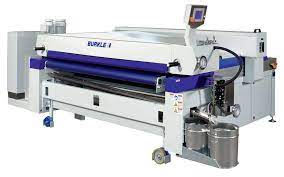
UV Coater : 2m Flatbed & Roll to Roll System
Burkle 2m UV coater
You can visit our Bolton, UK operations and warehouse to try our equipment, or we can provide our coating services, so you get genuine hands-on experience before investing in this technology.
We also appreciate that there are many financial reasons why PVC is so heavily used in print, as well as the added profitability it brings to the print market. If we can help bridge this divide in support of conserving resources and preventing waste and damage to our planet, our business will be happy to listen, act in the most responsible way possible, and share this with like-minded business leaders, politicians, consumers and the design agencies who shape the choice of materials.
If you feel as strongly as we do about the environment, and want to be sure there are valid reasons for moving to eco-friendly coatings and eliminating PVC and plastic films (and other materials) throughout the print process and its applications, please get in touch. Your feedback and views are important for the future of print.
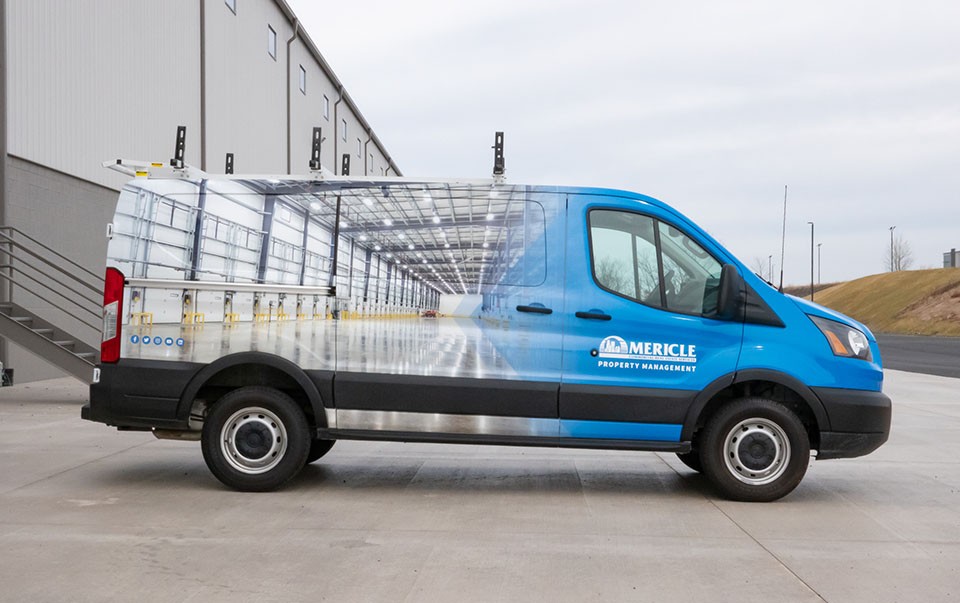
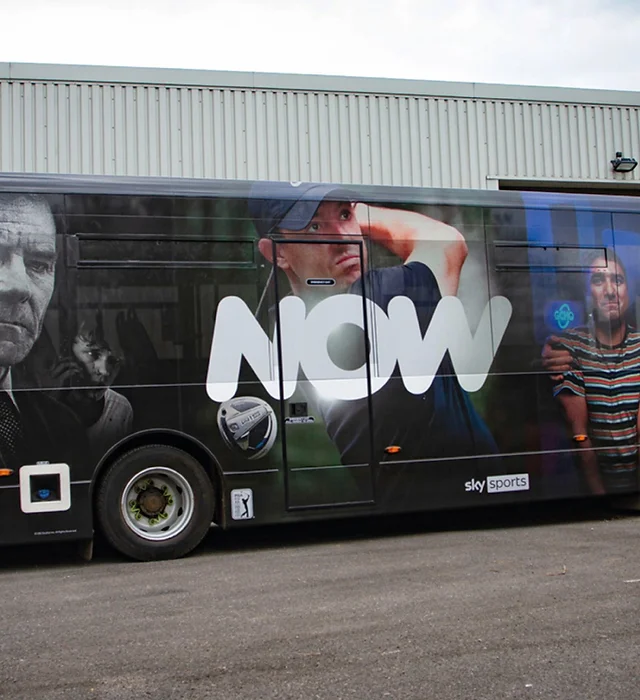
Cutting the cost and waste of PVC Vehicle Wrapping Can be achieved with Liquid Lamination
Reviewing the drawbacks of film lamination should help you understand when Landor liquid laminates will give your prints better protection, longevity and durability.
Applications where film laminates are not recommended
Film lamination will usually not fold or stretch, and will be damaged if creased. Liquid lamination is not affected by creasing, folding or stretching: it is flexible, whereas plastic films are not – especially water-based coatings.
Film lamination will reduce or destroy the flexibility of flexible substrates such as fabrics, textiles and textured films, and is liable to delaminate, so you will need coatings to protect textured materials.
Film lamination will potentially delaminate, especially at the edges, when exposed to outdoor water, humidity and heat. Liquid lamination maintains its adhesive bond and protection.
Film lamination responds badly to climatic changes in variable hot, cold and humid environments, whereas liquid lamination adjusts to the surface it is adhered to.
Film lamination will not work with PVC banners, whereas liquid lamination is commonly used as the only protective solution for PVC banners such as flex-face signs, truckside curtains and awnings.
Film lamination must be applied using professional film laminators, whereas liquid lamination can be applied by hand with hand rollers, spray, foam pads or brushes.
Applications where film laminates are recommended
instead of liquid lamination
When you need to add rigidity and strength to flexible prints, only film lamination will do this – though consider more durable and sustainable alternative substrates.
When your PVC vinyl prints stretch or you need to reduce the elasticity of your prints (consider a more stable and sustainable media).
When you need more tensile strength from the chosen media for the installation, such as wall and surface graphics. Liquid lamination is a soft protection.
Contravision and other perforated applications (where you need to prevent dirt settling in the holes/perforations).
Bubble-free materials: some can work with liquid lamination, but laminate films will cover the perforations and lose the advantage of bubble-free installation.
When flexibility or stability of media and applications is not important or relevant.
Contact us for more information, support or advice:
Our coating service and advice can be adapted to your needs. With water-based, UV-curable, roll-to-roll and flatbed coating resources, we will be happy to discuss your applications, durability and sustainability requirements.