+44 1252 624411 info@liquid-lamination.co.uk Water-based and UV liquid laminates · Inkjet sprays · Coating machines
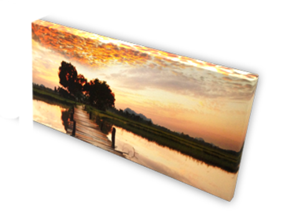
Take this 61cm x 30cm (24” x 12”) canvas, sold as a premium canvas, and break it down, and you will learn a few things.
First, the canvas image below, described as premium, is not really a premium canvas unless it has been coated with a canvas coating to preserve it. Coating transforms it into the archival, long-lasting and durable print its new owner expects. Landor Liquid Lamination gives your prints essential protection, especially if you expect to enjoy them for a reasonable length of time.
When you stretch canvas, the first issue that may arise is cracking of the canvas and ink, especially at the edge of the frame. Inside, the canvas is most often wrapped around low-cost timber that has probably been shipped in containers from China. This is fine, provided the rest of the artwork matches the quality you thought you were buying. Even good-quality plywood is mainly protected by the canvas wrap.
Canvases come in different qualities, from 100% polyester to 100% woven cotton. Lacquers and varnishes are key and widely used in the art industry. Surface protection is what makes a canvas long-lasting, and lower-grade canvases can be protected with our Liquid Lamination coatings. Not all varnishes or coatings will adhere to printed ink and canvas, or adequately protect inkjet canvas prints. Landor Liquid Lamination does exactly that. We have been doing it for 20 years, keeping pace with every ink technology: dye, pigment, latex and even UV inkjet.
If you are looking for a quality product, ask the question: has it been coated or varnished? Is this a giclée varnish or a giclée coating? (Not all varnishes are the same.) Coatings come in various forms, but for canvas they need to adhere to and move with the construction of the canvas. They then need to protect the ink and canvas and extend their life, guarding against fading caused by UV light, general pollution, and chemical and environmental exposure. Without this protection, your canvas may not be so premium after all. Abrasion resistance, washability and resistance to dirt and grime over time are also key to protecting canvas prints. Landor Liquid Lamination coatings give you the protection you need, in a choice of gloss, satin or matt finish.
For over 20 years, Landor Liquid Lamination has been making sure that assets and artwork are as sustainable and long-lasting as they should be.
If your canvas or fine art print has not been protected, it is not too late. Call us for advice and, if possible, tell us the canvas quality and ink type used in your print. This helps us decide which coating is most suitable. Above all, we need to know whether the inks are water-based or pigmented (such as Epson, Canon or HP, the leading inkjet printers for fine art). We can then do the rest.
We can give your prints the care and protection they need with a fairly fast turnaround, or send you the right coating to give your newfound treasure the long-lasting protection it deserves.
Call us on +44 1252 624411 or email info@liquid-lamination.co.uk for advice, support and a compatible coating and protection solution.
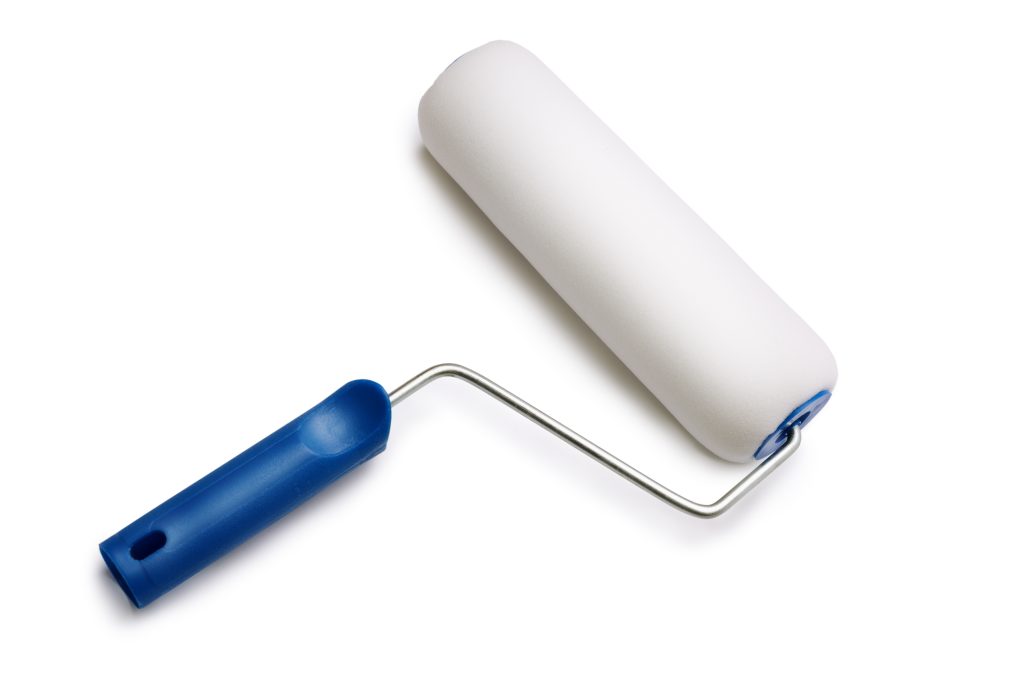
Coating and protecting your prints is easy, and almost anyone can do it. All you need is a high-density foam roller and handle to double the life and durability of your prints.
Coating in one direction and then the other, in a cross-hatch pattern, generally ensures adequate coverage.
Roller edges will not leave lines in the coating: as long as you apply enough fluid, the coating self-levels as soon as the roller leaves the surface.
You can even coat on a vertical wall surface. This has the added benefit of reducing the chance of dust settling on the coating before it dries.
You can buy our Liquid Lamination starter kit, or just our roller kit, and try it for yourself. If you need any help or support, get in touch: info@liquid-lamination.co.uk or tel: +44 1252 624 411. In France: tel: +33.1.87.65.09.80
You can also coat fine art substrates with a hand air sprayer, which usually needs to be connected to an air compressor to work correctly. Generally, you will need to spray a very light (low-tack) first coat, then a second coat to provide good-quality protection. Keep your speed and distance from the image consistent when spraying. You will lose about 30% of the spray into the air, but spraying can be a handy, practical alternative to hand roller coating.
Let us know if you need more advice or assistance.
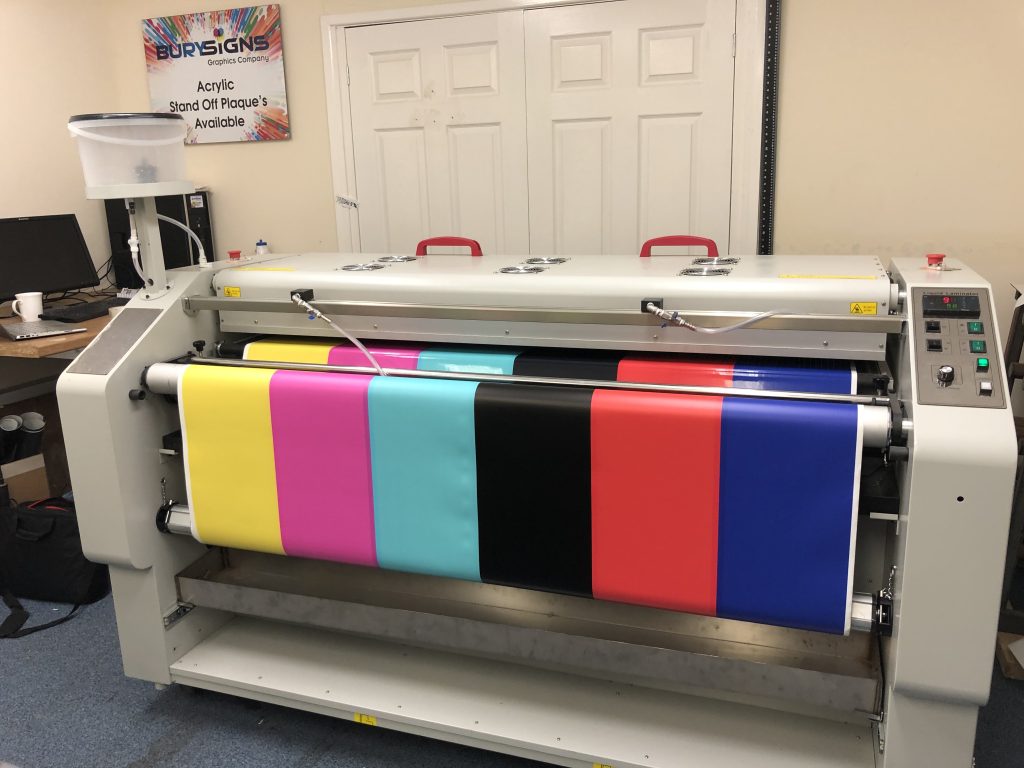
Our water-based coating systems come in 1.6m and 3.3m versions. They offer variable coating capabilities and use a highly efficient roll-to-roll process, so as well as an eco-friendly solution, you benefit from the mechanical stability and uniform coating of a machine system.
You can usually achieve up to 80m2 per hour on a 1.6m width. The feed and take-up rollers are easy to load and remove, and the system recirculates coating, so there is very little waste.
Our coating facilities in Bolton give you the service and support you need to test before you buy, or you can engage our experienced team for jobs of almost any size that are practical for your business.
Two coating thicknesses are available: 63u wet and 81u wet.
Send us a sample and we will be happy to test it for you.